The judge intends to set one hour for discussion at the omnibus hearing
The federal court overseeing Puerto Rico’s bankruptcy cases is preparing to define the next major phase of litigation in the Puerto Rico Electric Power Authority’s (PREPA) restructuring.
In an order entered July 9, U.S. District Judge Laura Taylor Swain instructed the Financial Oversight and Management Board to reserve one hour for discussion of the summary‑judgment framework in Adversary Proceeding 19‑391, noting that twenty minutes of that time will be reserved for the court’s own remarks. The directive signals the judge’s intent to tightly manage the next procedural steps in a case that will determine the size and strength of bondholders’ secured claims.
The July 15 hearing comes at a moment when PREPA bondholders are entering litigation with significant momentum. In June 2024, the U.S. Court of Appeals for the First Circuit handed them a major victory, ruling that their lien on the electric utility extends to PREPA’s net revenues and secures both principal and interest. That decision dramatically expanded the scope of their claim, given that PREPA’s public debt stands at $8.5 billion. The ruling has triggered litigation over “accounting counterclaims” and collateral valuation to calculate exactly how much net revenue PREPA generates to fulfill those secured bond claims.
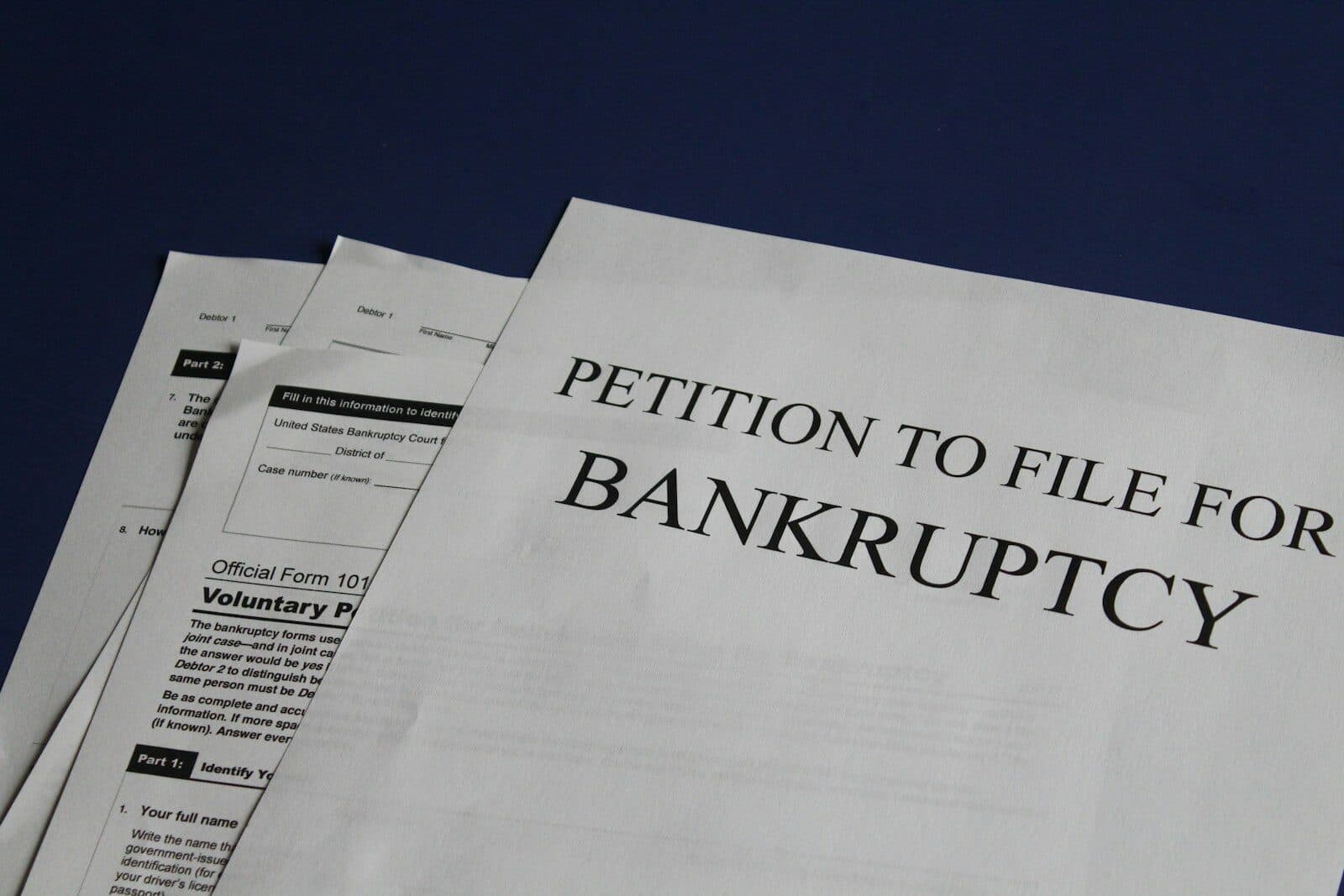
PREPA has been in bankruptcy since 2017 under Title III of PROMESA to restructure roughly $9 billion in debt. With the accounting litigation accelerating and the summary‑judgment phase approaching, the July 15 hearing is poised to become a critical inflection point in determining how much bondholders can recover and how Puerto Rico’s energy future will be financed.
To manage the dispute, Judge Swain lifted the usual temporary freeze on bankruptcy lawsuits, but only for matters directly tied to these accounting counterclaims. She made it clear that she is allowing a highly focused, phased process to resolve foundational questions about how PREPA’s revenues and expenses should be categorized and calculated under federal law.
In the first phase of this plan, the court is tackling the core mathematical disagreements between the utility and its creditors. The goal is to craft a workable, legally binding formula that can later be applied to updated financial data. This formula will definitively prove whether PREPA actually generated net revenues before or during the bankruptcy filing, and whether any of those funds exist today to pay back the bondholders.
Judge Swain emphasized that resolving these accounting rules will influence far more than just a spreadsheet. The final numbers will directly shape future settlement negotiations and the ultimate plan to get the utility out of bankruptcy, making this math fight central to how Puerto Rico’s entire energy future will be financed.