The decision preserves a broad range of state-funded benefits for agriculture
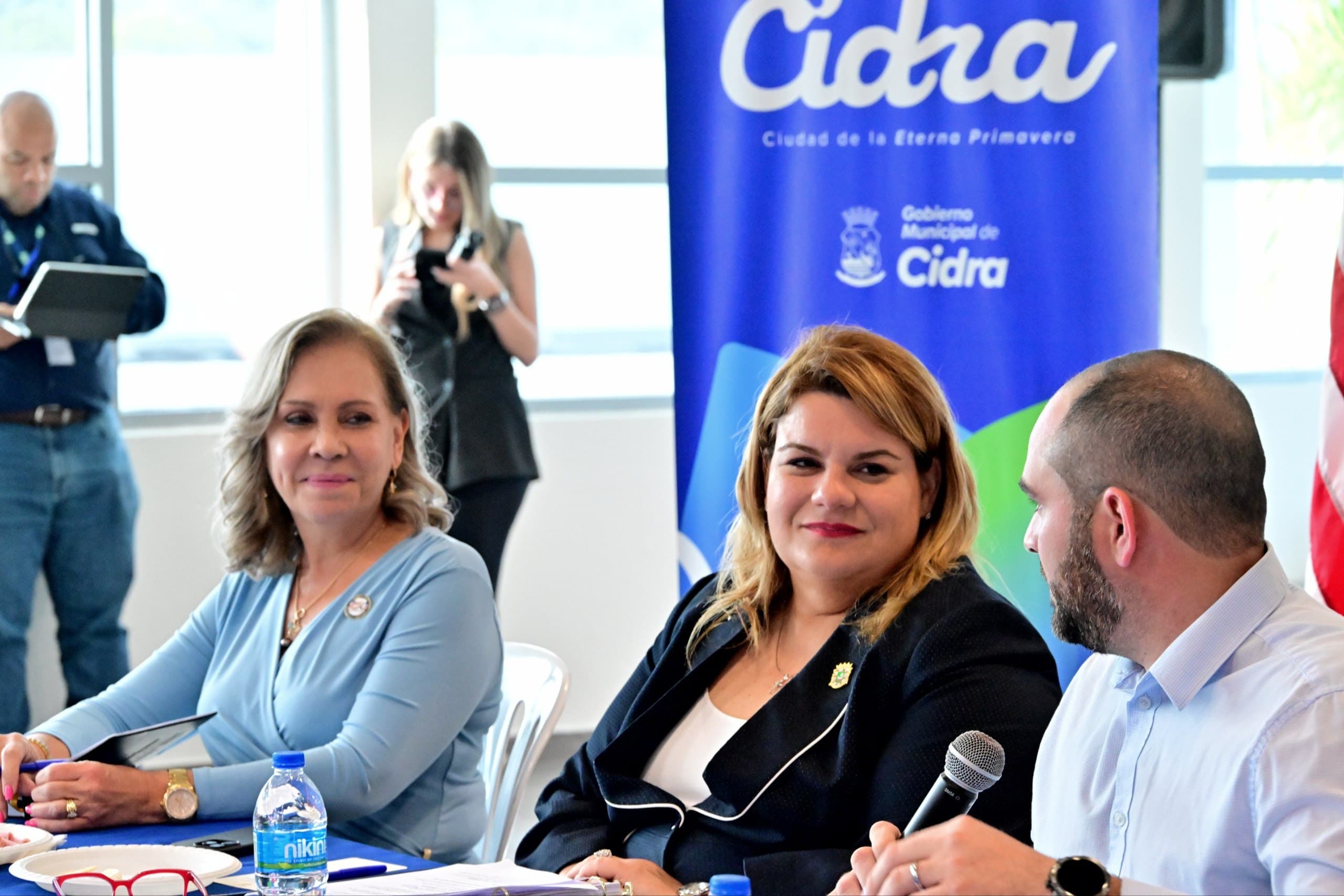
Puerto Rico’s agricultural sector will continue to receive the incentive increases approved last fiscal year, as Governor Jenniffer González Colón and Agriculture Secretary Irving Rodríguez Torres confirmed during a visit to Cidra that the $63.1 million package will remain intact for FY 2026–2027. The decision preserves a broad range of state-funded benefits for farmers, ranchers, fishers, and agro‑entrepreneurs at a moment when production costs and labor pressures continue to challenge the industry.
The administration emphasized that the incentive orders were signed within the first days of the fiscal year, a procedural shift that allows farmers to begin applying immediately rather than waiting months for the program to open. Applications are now available through the Agriculture Department’s AgroPerfil platform and regional offices, with a deadline of October 31, 2026.
González Colón said the early approval is intended to give producers greater planning certainty. She noted that last year’s increases, which raised agricultural incentives to $63.1 million in state funds, will remain without cuts and will be accessible from the start of the fiscal year. Rodríguez Torres added that maintaining the expanded benefits signals stability for the sector and eliminates the delays that previously kept farmers from applying until well into the fiscal cycle.
The incentive package preserves increases across multiple industries and operational areas. Fertilizer and soil inputs will continue receiving the higher contribution of $175 per cuerda for eligible crops. Beef cattle producers will retain the increased $300-per-head incentive for livestock purchases. The cacao industry will continue benefiting from government coverage of half the cost of seedlings to support new plantings and expansion. The program supporting agricultural technology remains in place, including the incentive that covers half the cost of drone rentals for spraying and fumigation.
Support for essential machinery rentals also continues, with the government covering up to half the cost of services such as land preparation, cleaning, and construction work, capped at $8,000 annually. Regional infrastructure and equipment projects will remain eligible for up to 50 percent cost coverage, with a maximum of $12,000. The poultry program will continue its expansion to include small producers starting at 1,000 birds, broadening access to assistance. The pork industry will retain the incentive of $100 per replacement sow, capped at $12,000.
Major allocations also remain unchanged. The Permanent Improvements Program will continue with $7.9 million to support infrastructure, equipment, technology, and expansion projects, covering up to half of eligible investments with a cap of $250,000 per farmer. The dairy industry will again receive $12.2 million to stabilize production. The agricultural wage subsidy remains one of the largest components, with $33 million dedicated to payroll support and worker retention. Farmworkers will continue receiving the Christmas bonus for certified agricultural wages above $200, and coffee harvesters will maintain the $1.50 payment per almud of ripe coffee picked.
Altogether, the incentive package matches last year’s historic level of $63.1 million in state investment. Officials say the continuity is designed to help producers manage rising costs in fertilizer, feed, labor, and equipment while encouraging modernization and expansion across the sector.
Farmers can apply through AgroPerfil or visit regional Agriculture Department offices for guidance. The application window closes on October 31, 2026.