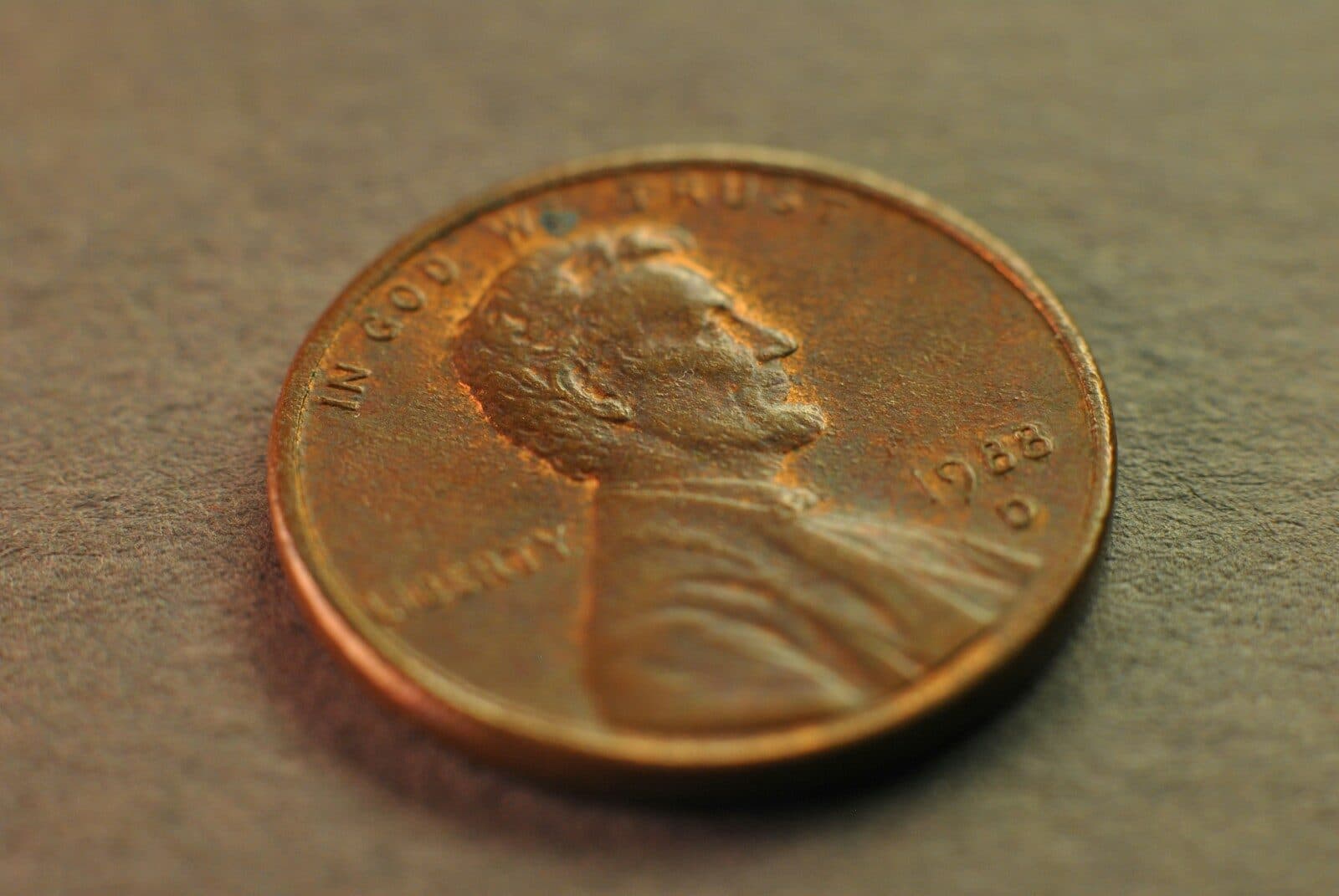
Business groups back a standardized system for rounding up cash transactions
Puerto Rico is preparing for a future without the penny. When lawmakers reconvene this August, the House Consumer Affairs Committee will take up Senate Bill 1288—the Uniform Rounding in Cash Transactions Act—aimed at stabilizing retail operations as the island’s supply of one-cent coins rapidly vanishes.
The legislative push follows the federal government’s 2025 decision to halt penny production, a move that left businesses scrambling to make exact change. Passed by the Senate on June 25, the bill establishes a mandatory, standardized system for rounding cash transactions to the nearest five cents. The House has until November to give it final approval.
For consumers and businesses alike, the proposed law introduces strict guardrails to ensure the transition does not impact the cost of living. Rounding will apply strictly to cash payments, while electronic transactions like credit cards, debit cards, and digital payments remain exact to the cent. This adjustment occurs only after all local taxes and fees have been calculated, and the bill explicitly states that the modification shall not be considered a price increase or an additional charge. To maintain transparency, merchants are legally barred from manipulating prices to game the rounding system. Receipts must clearly display the original total, the rounding adjustment, and the final amount paid, and conspicuous signage must be posted at every point of sale.
The island’s business community has rallied behind the bill, eager for a predictable framework to replace ad hoc, store-by-store solutions. In a joint memorial earlier this year, three major trade titans—the Puerto Rico Retailers Association (ACDET), the Chamber of Marketing, Industry and Food Distribution (MIDA), and the Puerto Rico Restaurants Association (ASORE)—voiced strong support for the measure, noting that legal certainty, operational uniformity, and tax neutrality are vital to keeping the economy stable. They emphasized that the price marked must remain intact, functioning strictly as a back-end cash-handling adjustment rather than a change to shelf prices. However, these groups urge lawmakers to adopt a practical approach by allowing merchants to round up and return the change to customers, while ensuring that exact payments remain acceptable. In contrast, pennies remain in circulation, and the rules are applied equally to private businesses and public entities alike.
While the intent is clear, the financial sector is flashing a yellow caution light. The Puerto Rico Bankers Association has warned of significant technological and operational hurdles and has advocated for a prolonged implementation timeline to give banks and retailers adequate time to overhaul their point-of-sale software.
If passed, the Department of Consumer Affairs and the Treasury Department will handle regulatory auditing and enforcement, beginning with a mandated island-wide public education campaign within 30 days of enactment to prepare consumers for a nickel-rounded market.