The estimate is based on satellite imagery and demographic modeling
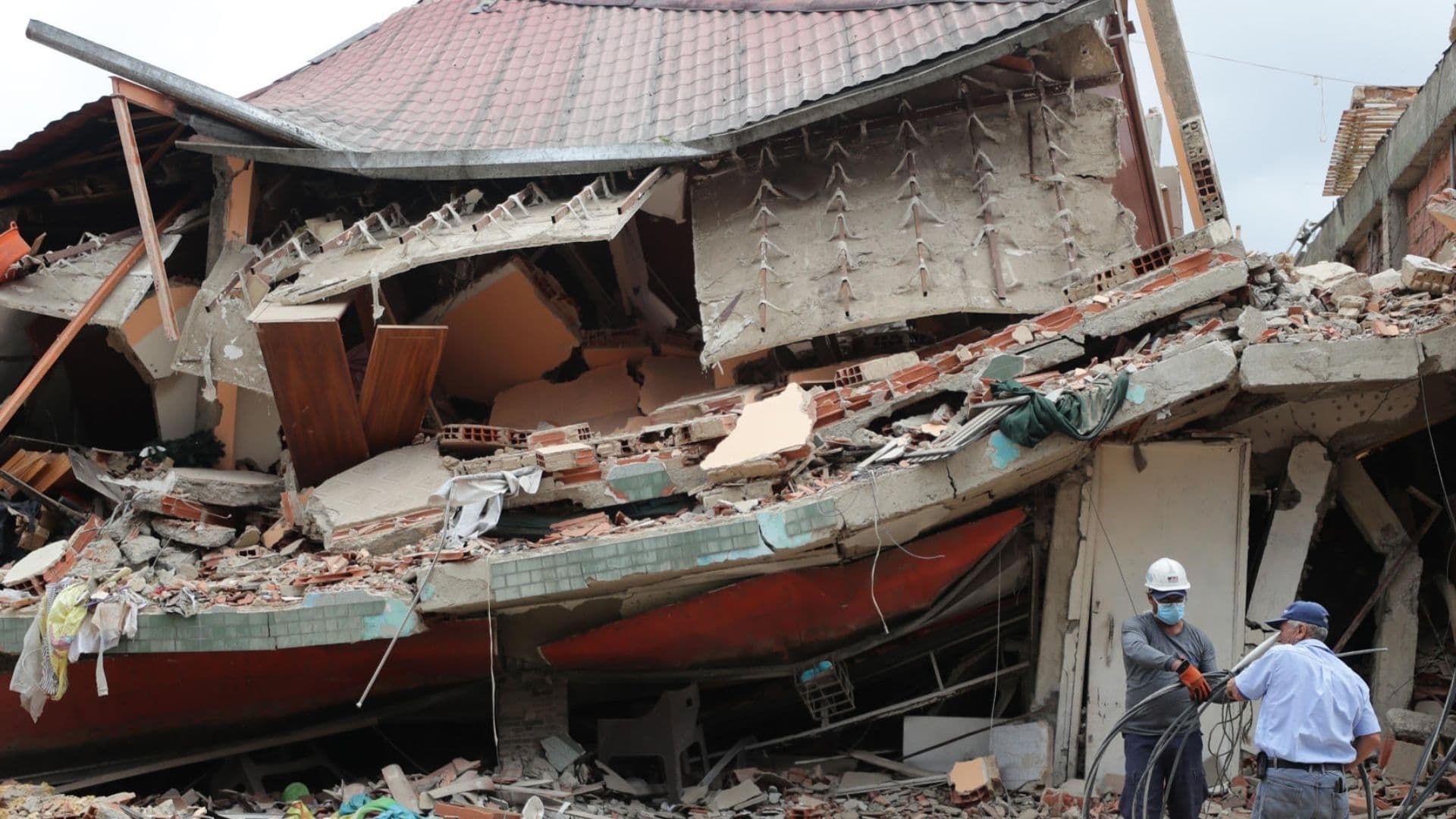
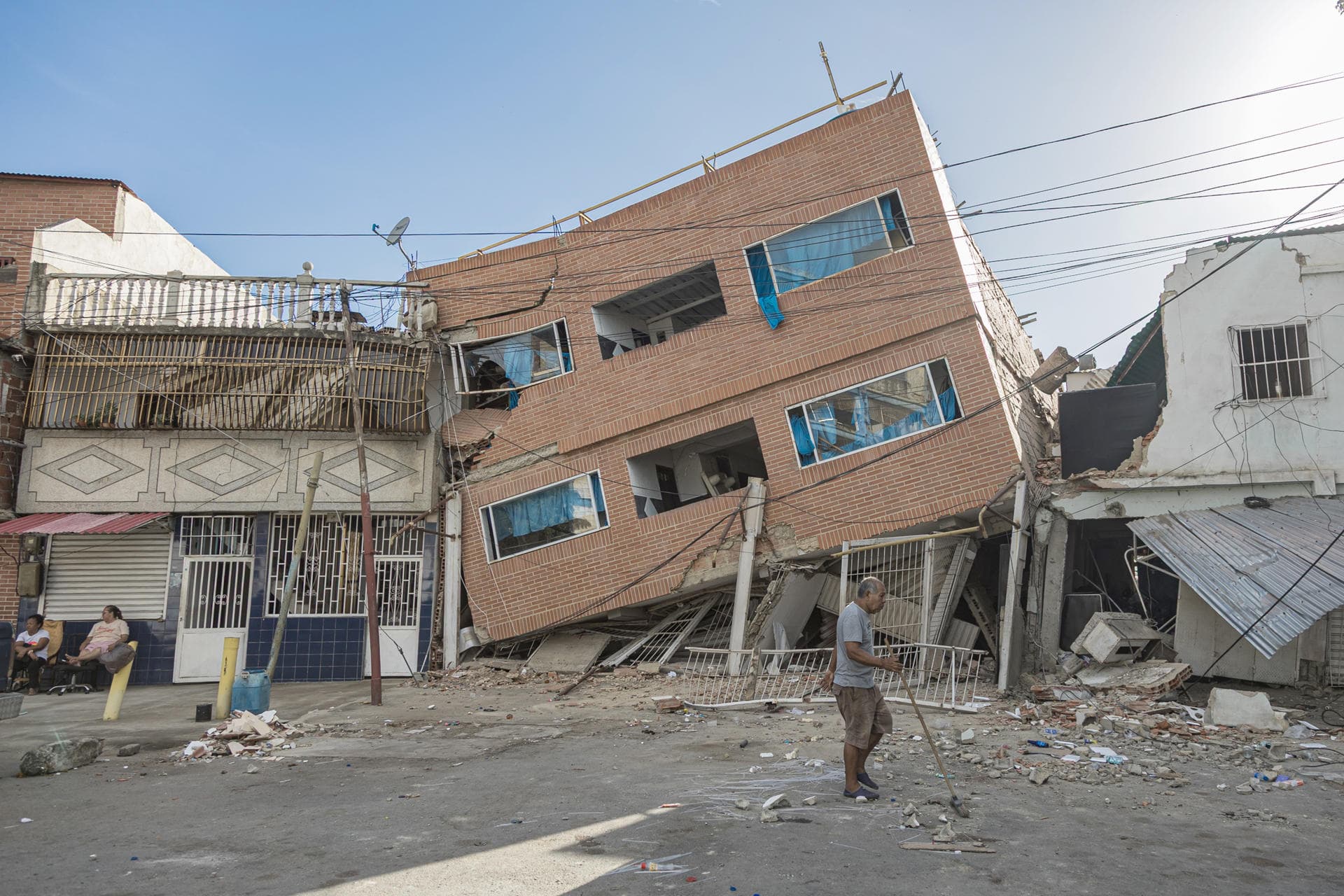
Reconstructing the housing stock destroyed by the June 24 earthquakes along the coastal corridor of La Guaira, Catia La Mar and Caraballeda will require at least $2.37 billion, according to a new assessment by the private firm Anova in partnership with the Microsoft AI for Good Research Lab.
The estimate, which is based on satellite imagery and demographic modeling, represents 2% to 3% of Venezuela’s entire economy, a burden the state currently has no capacity to absorb. The country is currently trying to restructure its debt.
The study focuses exclusively on residential infrastructure and does not include the cost of rebuilding public assets, commercial structures, industrial facilities or essential services such as schools and hospitals. “What we tried to estimate in that report is only and exclusively the cost of replacing the housing infrastructure,” said Omar Zambrano, Anova’s chief economist and founder, told Venezuela’s El Nacional. “That is only a small fraction of the total cost of the disaster.”
Using pixel‑level analysis of post‑disaster satellite images, the model estimates that 73,524 people—18.2% of the population in the seven parishes analyzed—lived in structures with observable damage. Of those, 26,845 lived in severely damaged buildings, and 10,766 lived in structures that suffered structural failure or collapse. In total, 37,611 residents were left in homes whose condition “compromises habitability in a grave or definitive way,” according to the report.
The Anova estimate diverges sharply from other international assessments. The UN Development Programme (UNDP) placed total damages at $6.7 billion, while the UN Office for Disaster Risk Reduction estimated $37 billion. Zambrano argues both models misread the geography of destruction. “The PNUD is underestimating the disaster and the other UN agency is overestimating it,” he said, noting that some UN models assumed widespread destruction in Yaracuy, Carabobo, Falcón and parts of Lara simply because they were closest to the epicenter. “That model was made from a desk in New York or Geneva. They have no idea what happened here,” he told El Nacional.
Although the devastation is concentrated in Vargas, the economic impact will be national, driven by how the government chooses to finance reconstruction. “This disaster, which is of an unfathomable magnitude, hits us with a fiscal situation that is already inviable,” Zambrano warned. “I really don’t know how a state with such fragile public finances can face it.”
Venezuela remains shut out of international financial markets, and talks with multilateral lenders such as the IMF, World Bank and Inter‑American Development Bank “will take time,” he said. These institutions require technical counterparts that the Venezuelan state “struggles to assemble.”
The earthquakes also derail the government’s plan to begin renegotiating its massive external debt, estimated at between $180 billion and $240 billion, in July. “That process will necessarily have to be aborted. The outlook has changed completely,” Zambrano said.
With opaque oil revenues, no external financing and domestic tax collection eroded by inflation, the government may resort to monetary financing to cover reconstruction costs. Economists warn this would push inflation higher and could trigger a return to hyperinflation.