Centerview Partners is expected to finish the viability analysis this month
Venezuela is aiming to complete one of Latin America’s biggest and most complicated debt workouts by year-end. The administration of interim President Delcy Rodríguez is confronting liabilities estimated by Wall Street at between $150 billion and $200 billion.
The path forward is fraught because the country lacks a recent International Monetary Fund assessment to anchor the process, many officials tied to years of economic turmoil remain involved, and two devastating earthquakes have added another layer of strain.
Since the restructuring effort began in mid-May, most defaulted sovereign bonds and notes issued by Petróleos de Venezuela (PDVSA) have declined more than 10%, according to Bloomberg data. Losses deepened after the earthquakes.
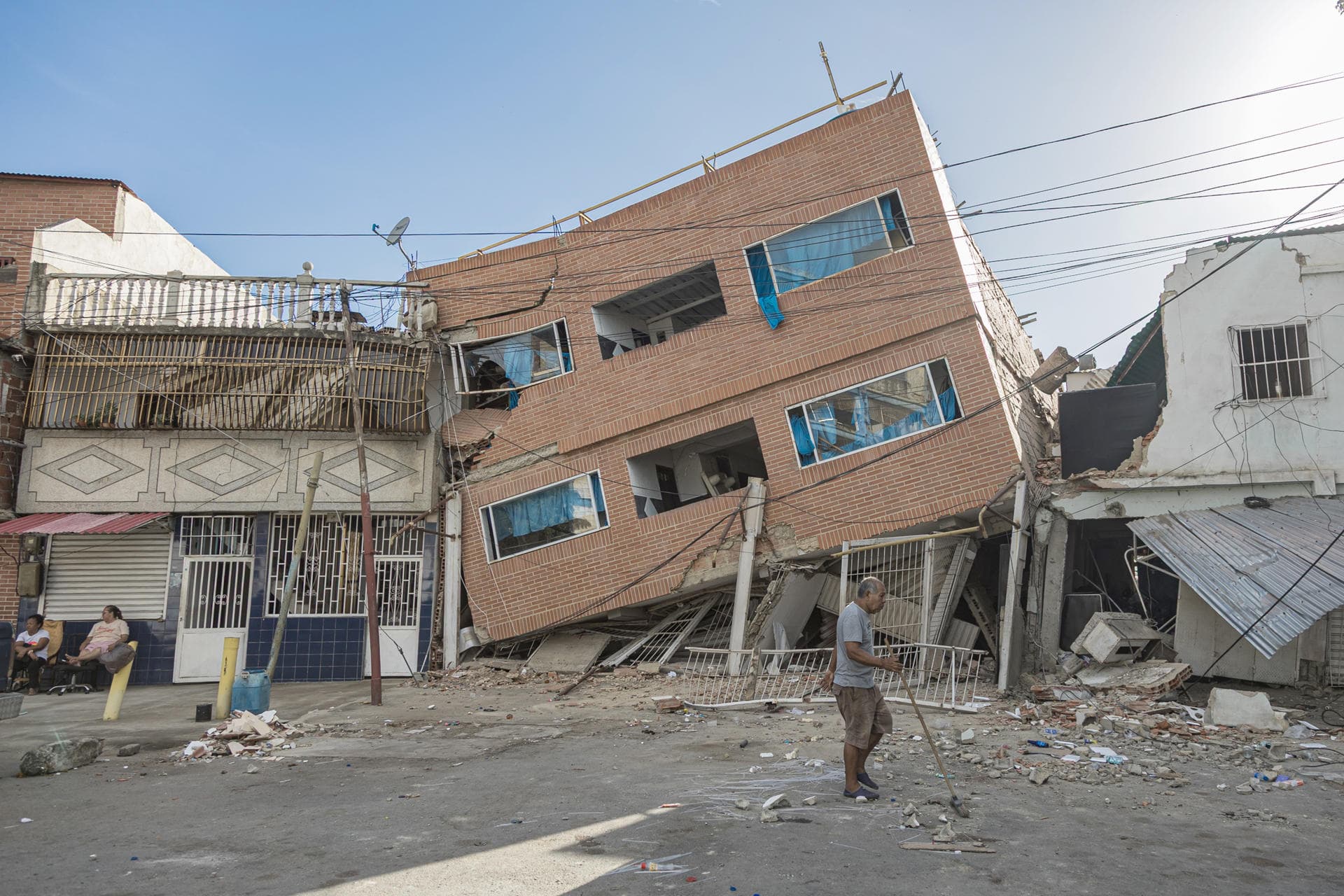
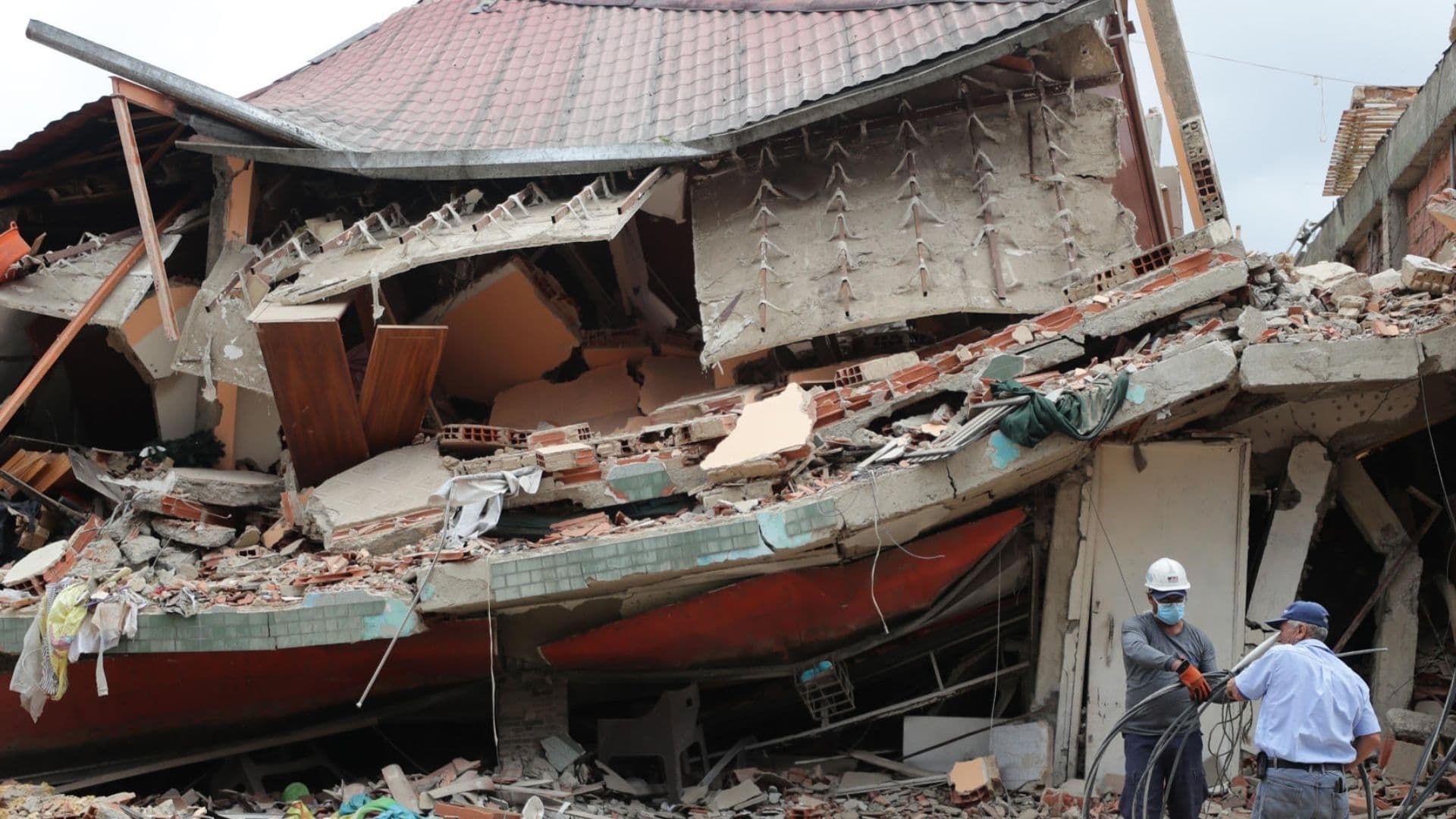
The quakes killed an estimated 3,000 or more people and displaced thousands, with the heaviest destruction west of Caracas. The United Nations estimated direct damages at about $6.7 billion and cautioned that overall losses could be three times higher.
For a government trying to convince creditors it can service restructured debt, the timing is especially difficult. Reconstruction costs now threaten to compound an already weakened economy and could slow the release of the document expected to guide the negotiations.
That key document is the debt sustainability analysis. According to published reports, U.S. bank Centerview Partners, hired as an adviser, is finishing a viability plan that supposedly offers a sobering snapshot: an economy shrunk to around $100 billion, compared to the $370 billion recorded in 2012, Hugo Chávez’s final year in office.
David Austerweil, deputy portfolio manager at VanEck, told Bloomberg that the market is nervous and expects further declines because the government will seek broad debt relief.
A Financial Times article cited by Valora Analitik said the country’s total debt may climb to $240 billion, against an estimated GDP of about $100 billion. Citigroup has said that debt on that scale would imply a deeper-than-expected haircut and recovery values 30% to 35% below current prices.
The country’s most actively traded sovereign bonds, maturing in 2027, dropped to roughly $0.48 on the dollar from $0.56 on May 13, the day the restructuring plan was announced.
Earlier, the promise to complete the restructuring this year fueled one of the strongest rallies in emerging-market debt, with sovereign bonds rising nearly 70%.
Venezuelan debt had spent years trading at distressed levels, with investors assigning little value to the securities. The possibility that the country might start repairing its public finances after Nicolás Maduro’s capture in January was enough to pull buyers back into the market.
That confidence is now fading. While the restructuring remains alive, investors are reassessing whether the government can meet its timetable and how severe the eventual terms may be.
Another complication is the lack of a recent IMF review, a benchmark that typically lends credibility to debt negotiations. Discussions with the Fund have centered on establishing a route toward an Article IV consultation, the regular assessment the IMF conducts of member economies. Venezuela has not completed that process since 2004.
IMF spokesperson Julie Kozack said last week that the Fund remains in contact with Venezuelan authorities following the earthquakes, while emphasizing that it is not involved in the restructuring.
For creditors, that raises a difficult issue: whether a debt sustainability analysis can carry enough weight without independent audits or IMF oversight, particularly when it is being prepared by officials tied to a period of economic collapse and hyperinflation. Matthew Graves, a portfolio manager at PPM America, warned of the risks of advancing without an IMF program, according to published reports.